
Introduction
The windscreen of a vehicle is not simply any piece of glass — it is a specifically engineered safety component designed to meet exacting standards for optical clarity, structural strength, and controlled behaviour in the event of an impact. Different types of windscreens are used in different vehicle types and applications, and understanding the differences helps vehicle owners appreciate why quality matters when it comes to Windscreen Replacement Abu Dhabi. This blog explains the main types of windscreens used in modern vehicles and what makes each type appropriate for its application.
Laminated Safety Glass
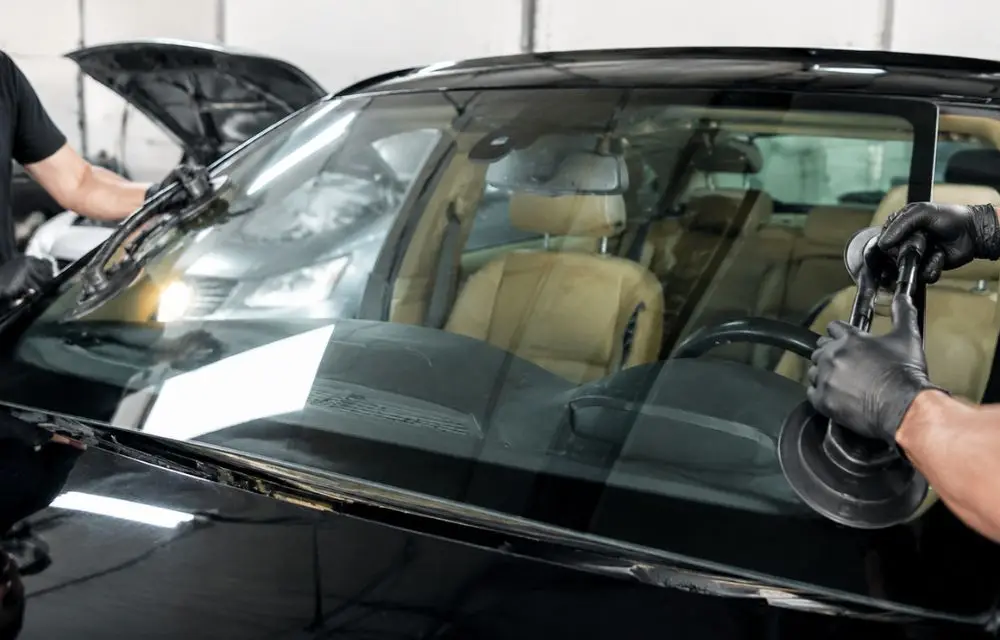
The vast majority of front windscreens in modern passenger vehicles are made from laminated safety glass. Laminated glass consists of two layers of glass — an outer and an inner layer — with a transparent plastic interlayer (typically polyvinyl butyral or PVB) bonded between them. When laminated glass is subjected to impact, the plastic interlayer holds the broken glass fragments together, preventing the glass from shattering into dangerous shards that could injure occupants. The interlayer also allows the windscreen to maintain its structural integrity even when cracked — the broken windscreen remains in place rather than collapsing into the vehicle cabin.
This controlled behaviour under impact is the defining safety characteristic of laminated glass and the reason it is mandated for front windscreens in virtually all countries. Laminated glass also provides additional acoustic insulation compared to single-pane glass, and can incorporate UV filtering, heating elements, and embedded antenna systems within the interlayer.
Acoustic Laminated Glass
Acoustic laminated windscreens use a special interlayer formulation that is more effective at damping sound vibration than standard PVB interlayers. The result is a measurably quieter cabin environment at motorway speeds — acoustic glass can reduce cabin noise by 3 to 5 decibels compared to standard laminated glass, which translates to a noticeable reduction in the fatigue experienced by drivers and passengers on long journeys. Acoustic windscreens are fitted as standard equipment in many premium vehicles and are available as an upgrade option during Windscreen Replacement Abu Dhabi for vehicles that were not originally equipped with them.
Tempered Glass
Tempered glass — also called toughened glass — is used for side windows and rear windows in most passenger vehicles. Tempered glass is produced by heating the glass to a high temperature and then rapidly cooling the surfaces, creating compressive stresses in the outer surfaces and tensile stress in the core. This stress profile makes tempered glass approximately four times stronger than untreated glass of the same thickness. When tempered glass does fail, it shatters into small, relatively harmless granules rather than sharp shards. However, unlike laminated glass, it cannot be repaired when cracked and must be replaced.
Heated Windscreens
Heated windscreens incorporate a fine wire grid or transparent conductive coating within the laminate that heats the glass when connected to the vehicle’s electrical system. This allows rapid demisting and de-icing of the windscreen without needing to blast hot air onto the glass, which reduces thermal stress and improves visibility more quickly. Heated windscreens are particularly useful in cooler climates but are also used in the UAE where overnight temperature drops can cause condensation on parked vehicles.
Related Blog – Common Causes Behind Windscreen Replacement
Head-Up Display Compatible Glass
Modern vehicles with head-up display systems require specially manufactured windscreens where the two glass layers are very slightly wedge-shaped rather than parallel. This controlled wedge geometry prevents the double imaging — the appearance of two overlapping images — that standard parallel-pane windscreens would create with a head-up display. If a vehicle equipped with a head-up display requires windscreen replacement, it is essential to specify a glass designed specifically for that vehicle model to maintain the correct display geometry.

Conclusion
Understanding the different types of windscreens — standard laminated, acoustic, tempered, heated, and HUD-compatible — helps vehicle owners specify the right glass during Windscreen Replacement Abu Dhabi. Always choose a replacement glass that matches the specification of the original equipment glass in your vehicle, and work with an experienced specialist who sources quality glass and carries out the installation to the standard your vehicle’s safety depends on.