
Introduction
If you have ever been in a vehicle where a stone struck the windshield at speed, you will have noticed that modern windshields do not shatter — they crack but remain largely intact, with the broken glass held in place by an invisible interlayer. This behaviour is not accidental; it is the result of the specific laminated construction used in all front windshields and is the foundation of the Laminated Front Windshields Abu Dhabi safety standard that protects vehicle occupants in the event of an impact. This blog explains why laminated glass is the universally mandated material for front windshields and what its specific construction achieves.
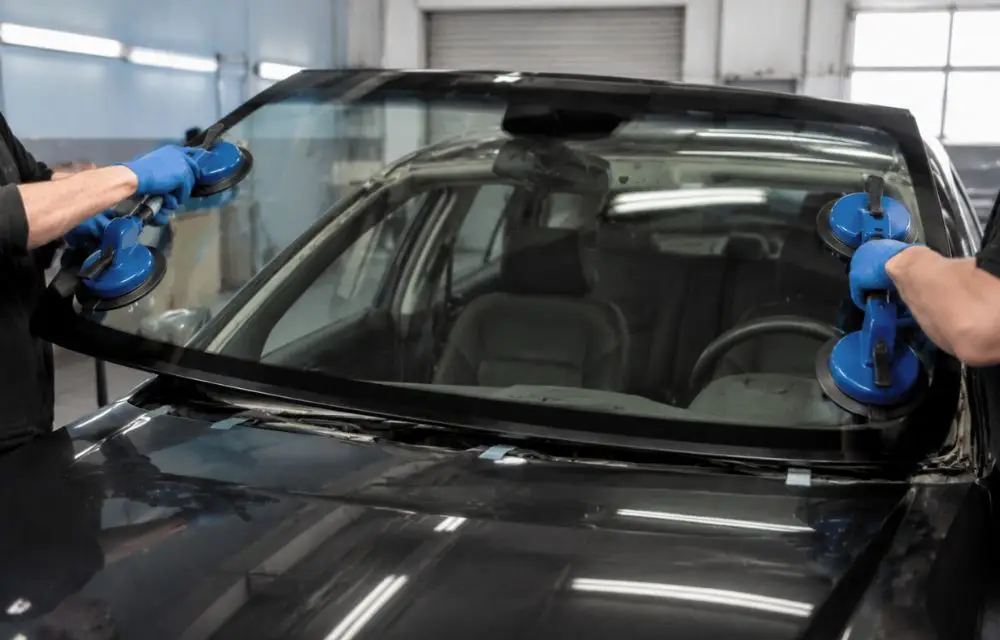
The Structure of Laminated Glass
Laminated glass consists of two separate glass plies — an outer layer and an inner layer — with a transparent plastic interlayer bonded permanently between them during the manufacturing process. The interlayer — typically polyvinyl butyral (PVB) or in premium applications, the more optically superior SentryGlas ionoplast — bonds the two glass layers together so strongly that even when both layers are broken, the glass fragments remain adhered to the interlayer rather than flying free.
The total thickness of a modern laminated automotive windshield — including both glass plies and the interlayer — is typically between 4mm and 6mm, with the precise specification varying by vehicle type, size, and the acoustic or safety performance level specified by the manufacturer.
Occupant Retention: The Primary Safety Function
The primary safety function of laminated glass in a windshield is occupant retention — ensuring that in a frontal collision, occupants are not ejected through the windshield. In the 1960s and earlier, windshields were made from non-laminated plate glass, and a significant number of accident fatalities and serious injuries resulted from occupants being ejected through the windshield or from windshield glass fragments causing facial injuries. The mandating of laminated windshields has substantially reduced both types of injury.
Modern laminated windscreens are also strong enough to contribute to the structural integrity of the vehicle cabin during a rollover — working together with the roof structure, A-pillars, and other body elements to maintain the survival space for occupants even when the vehicle is inverted. Laminated Front Windshields Abu Dhabi specifications are designed to meet the international safety standards that define this structural performance requirement.
Controlled Crack Behaviour
When laminated glass is impacted, the PVB interlayer controls how the crack propagates. Rather than the catastrophic shattering behaviour of single-pane glass, laminated glass develops a network of cracks that typically spread from the impact point but remain adhered to the interlayer. The driver’s visibility through the cracked area is significantly impaired, but the glass remains in place and continues to provide the structural support and occupant retention function until the vehicle can be safely stopped and the windshield replaced.
This controlled crack behaviour also explains why even significant cracks in a laminated windshield do not immediately render the vehicle undriveable — unlike a tempered glass side window, which shatters completely when cracked. However, a significantly cracked laminated windshield should be replaced as soon as practically possible, as its structural performance in a subsequent impact is reduced.
Also Read – Why Modern Cars Use Laminated Front Windshields?
UV Filtering and Additional Functions
In addition to its primary safety functions, the PVB interlayer in laminated windshields typically incorporates UV filtering that blocks the majority of ultraviolet radiation from passing into the vehicle cabin. This UV filtering protects occupants from UV exposure and reduces the fading and deterioration of interior materials. Some premium interlayers also provide enhanced acoustic insulation, infrared heat reflection to reduce cabin warming from solar radiation, and even embedded functions such as antenna systems and rain sensors.

Conclusion
Laminated glass is used in front windshields because its specific construction — two glass plies bonded by a plastic interlayer — provides the occupant retention, controlled crack behaviour, and structural integrity that modern vehicle safety standards require. Laminated Front Windshields Abu Dhabi replacements must use glass that meets the same specifications as the original equipment glass to maintain these safety properties. Always choose a reputable auto glass specialist using quality laminated glass when replacing your windshield in Abu Dhabi.